We are very excited this year to have a mix of two new faces and two familiar from our earlier years. We have Laurel Swift from Bristol and Mary McGuiggan from North Derry in Northern Ireland as well as Chris Metherell from Northumberland and Harry Cowgill from Lancashire.
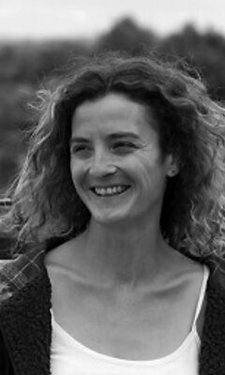
Laurel is an inspiring instigator of creative new projects and performances rooted in the folk arts. She has choreographed and devised national touring dance productions for Morris Offspring, co-created and performed Under Her Skin with Debs Newbold (featuring a clog-dancing crow), advised theatre & film companies on using folk music and dance material, and regularly performs with her acts including Ben Moss, Gadarene and The Gloworms. She learnt to clog dance from Pat Tracey and Camden Clog, and is a patient and lively teacher.
The 'A' Routine is one of the Heel & Toe dances that Pat Tracey devised for teaching. It comes from the Old Lancs tradition, as danced by the workers of East Lancashire, when they became industrialised in the early 19th century. It is an accessible yet impressive dance, a great starting point for all beginners!
It is a fun, lively dance, suitable for choreography as a group or a stunning solo performance.
This workshop has now been archived
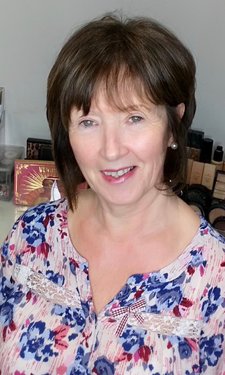
We are very excited to have with us Mary McGuiggan from Northern Ireland. Mary is a traditional Irish step dancer from Bellaghy in South Derry, she has been immersed in Irish song and dance since an early age and was taught dance by May Allen since the age of four. She has danced competitively, winning many championships at local, Ulster and All-Ireland level.
Mary runs her own dance school and has taught and organized competitive Irish Step dance at all levels but now teaches both ceili and traditional step-dance to children and adults “purely for fun.” She works with local school groups, and in community dance projects.
She has performed in the Irish Sea Sessions Tour, the North Atlantic Fiddle Convention, The Oireachtas and All-Ireland Fleadheanna. She performs and teaches workshops across Ireland with her brother Joe; both were awarded the Bardic Lifetime Achievement Award at the All Ireland Fleadh in Sligo in 2015.
The Mazurka originated in Poland. It became popular in the fashion setting courts of Germany and France in the mid C18 and had arrived in Britain by 1830. Given its popularity, it probably would have reached Donegal a few decades later where it became translated into an Irish Step Dance.
This workshop has now been archived
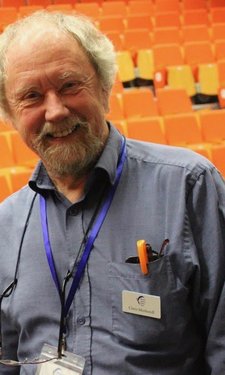
Chris Metherell has been performing and researching clog dances for the last 45 years. A founder member of the Instep Research Team of which he is still a member he has published widely on both the history of the dance and the choreographic detail of many individual dancers repertoires.
It is many years since Chris, an excellent teacher, was with us and we are very happy that he has agreed to come down from the fastnesses of Northumbria to visit us in Bristol again.
The East Fife Clog Hornpipe is a lovely routine and was collected by the late great Tom Flett from Mr William Adamson, a dancing master from Fife, Scotland. It is the most complete of the Scottish clog dances which has come down to us, and, although not now often performed, was a popular routine within the folk revival in the 1970s and 1980s.
This workshop has now been archived
Harry was one of the many who jumped at the chance to learn from ex-Music Hall & Variety professional Sam Sherry at the clog dancing classes which Sam started in Preston in the late ‘70s. Unlike most, he never stopped attending Sam’s classes, and continued to run them himself until 2010.
Sam’s Schottische is probably the most accessible of his advanced routines. It is a tap like routine featuring a pleasing mix of static and moving steps and is definitely Sam at his most laid back. As befits Sam’s professional career, this is a real dancers’ dance, being light and airy and demanding precision and control.
The routine was taught at the Lancashire Wallopers weekend in February this year - but now we are bringing it to the south of England.
This workshop has now been archived